
Fortunoff Archive Fellows
The Fortunoff Video Archive awards fellowships to scholars and artists who are working with the collection to produce scholarly publications, conferences, and artistic productions rooted in the collection.
Current Fellows
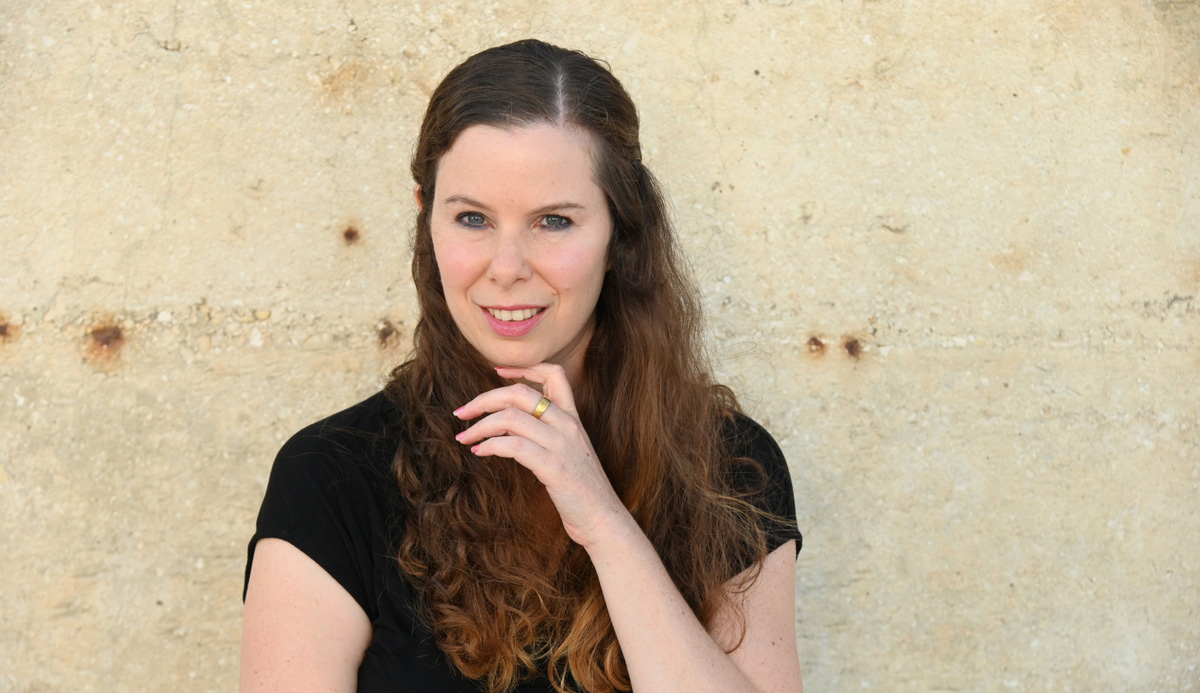
Daniela Ozacky SternFortunoff Archive Fellow
Daniela Ozacky Stern is a scholar specializing in Holocaust Studies and Modern Jewish History, with a particular focus on Jewish resistance during World War II and the Holocaust. She is currently a lecturer at Western Galilee College in Israel and has previously served as the director of the Moreshet Holocaust Archive in Givat Haviva, Israel. Dr. Ozacky Stern earned her PhD in Jewish History from the University of Haifa, where her research focused on Jewish Partisans in Lithuania and Belarus. She holds a master’s degree in History from Tel Aviv University, having studied Nazi propaganda efforts led by Joseph Goebbels, a topic which she later published as a book, Goebbels: Nazi Master of Illusion.
Her academic journey is further enriched by postdoctoral research conducted at Yad Vashem, and she has been honored as a USHMM EHRI fellow. Dr. Ozacky Stern’s published works investigate various facets of Holocaust history in Eastern Europe, including studies on the Vilna Ghetto, smaller ghettos in Belarus, and the partisan forests. Her research interests extend to themes such as documentation, diaries, and archival materials. Additionally, she has contributed to scholarship in the field of modern Jewish history, and serves as the Book Review Editor for the journal Jewish Culture and History.
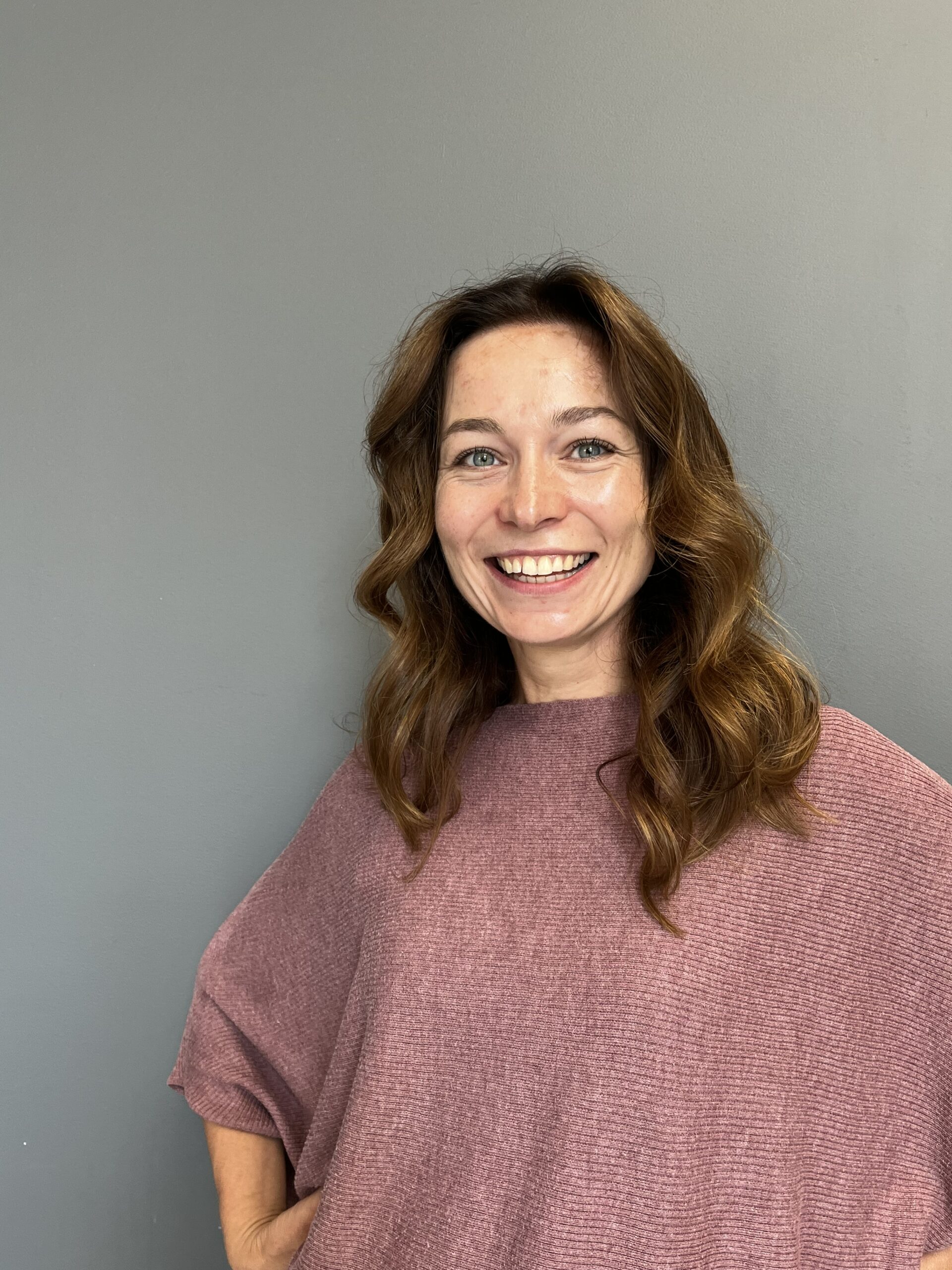
Agnieszka PasiekaFortunoff Archive Fellow
Agnieszka Pasieka is a sociocultural anthropologist. Her work focuses on political mobilization, activism and social movements, and explores how different social actors mobilize to address inequality and power hierarchies and what kind of alternative world they envision. She is author of ‘Hierarchy and pluralism: living religious difference in Catholic Poland” (Palgrave 2015) and “Living right: politics, morality and far-right youth activism in contemporary Europe” (forthcoming with Princeton University Press), as well as numerous journal publications on religious pluralism, religious and ethnic minorities, multiculturalism, postsocialist transformation, and, most recently, far-right movements, transnational nationalism and fascism. Her new project tackles the problem of far-right environmental politics.
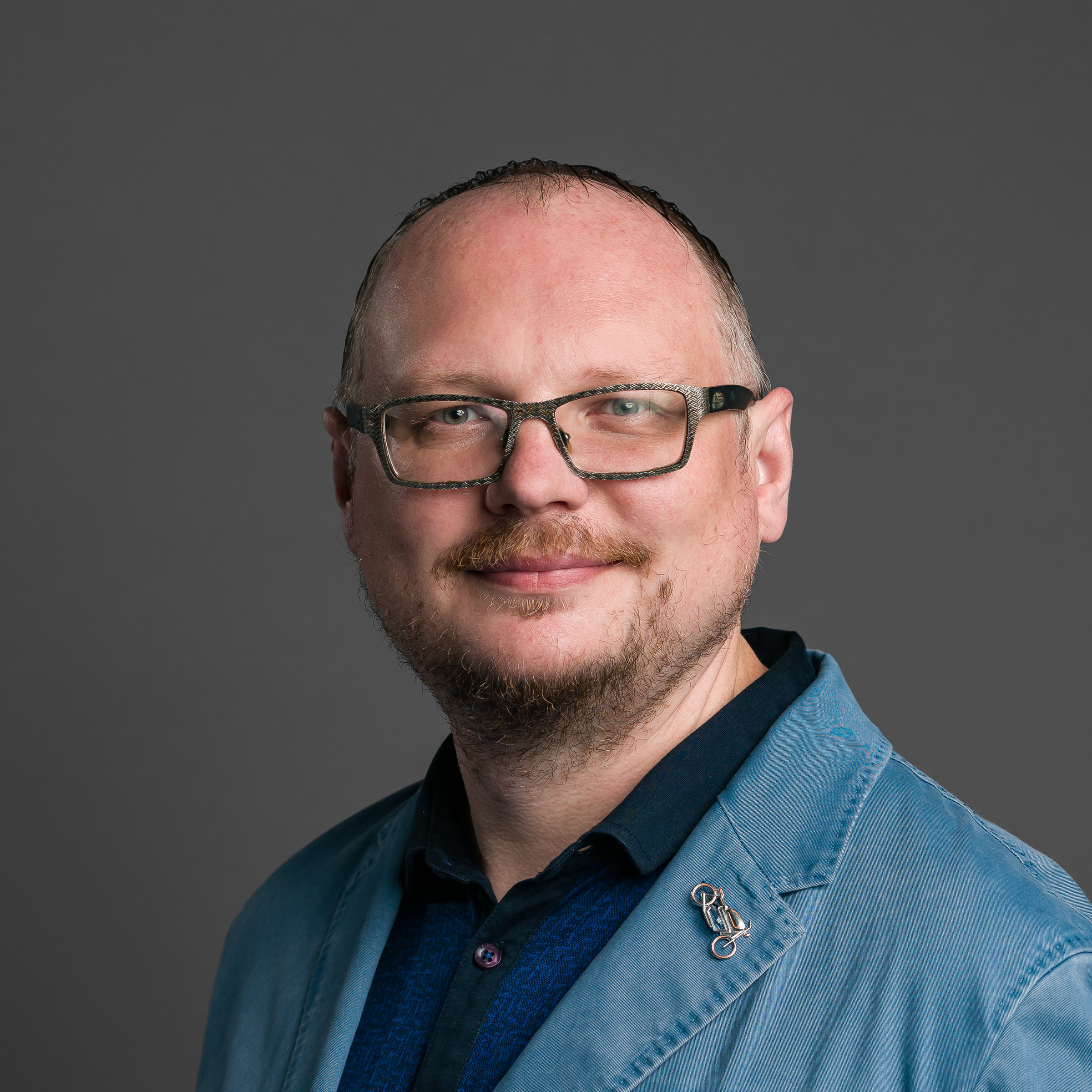
Andrei KureichikFortunoff Archive Fellow, Playwright-in-Residence
Andrei Kureichik is a playwright, director, publicist and civil activist who has written more than 30 movies and TV films. He is the author of more than 30 plays which were performed in many theaters in Belarus, Russia, Ukraine, Poland and other countries. He holds a master’s degree in Political Science and Law from Belarusian State University.
The author’s latest work was the film script for Moving Up, a film about the brilliant victory of the USSR national team in basketball at the 1972 Munich Olympic Games. It became the highest-grossing film of Russian cinema in its entire history. His films have grossed over $190 million in theaters in Eastern Europe.
Kureichik has gained an international following as a political playwright. He produced the documentary play “Insulted. Belarus(sia)”, about the 2020 presidential elections, subsequent protests, and violent crackdown by Alexander Lukashenko’s regime in Belarus. The play has already been translated into 29 languages and received 200 readings and performances across the globe.
Kureichik has become the first Belarusian Yale World Fellow in 2022 at Jackson’s School of Global Affairs at Yale University. He plans to write a play based on testimonies from the Fortunoff Video Archive during his fellowship.