
Fortunoff/In geveb Fellowship
In March 2023, In geveb and Yale’s Fortunoff Video Archive for Holocaust Testimonies announced a call for proposals with the goal of unlocking and activating the Yiddish-language materials in the archive’s nearly 12,000 hours of audiovisual survivor testimony. We seek to fund meaningful scholarship and creative productions based on these unique Yiddish oral histories. Projects range from more “traditional” scholarship based in the testimonies to artistic interpretation and representation in both music and plastic arts.
Current Fellows
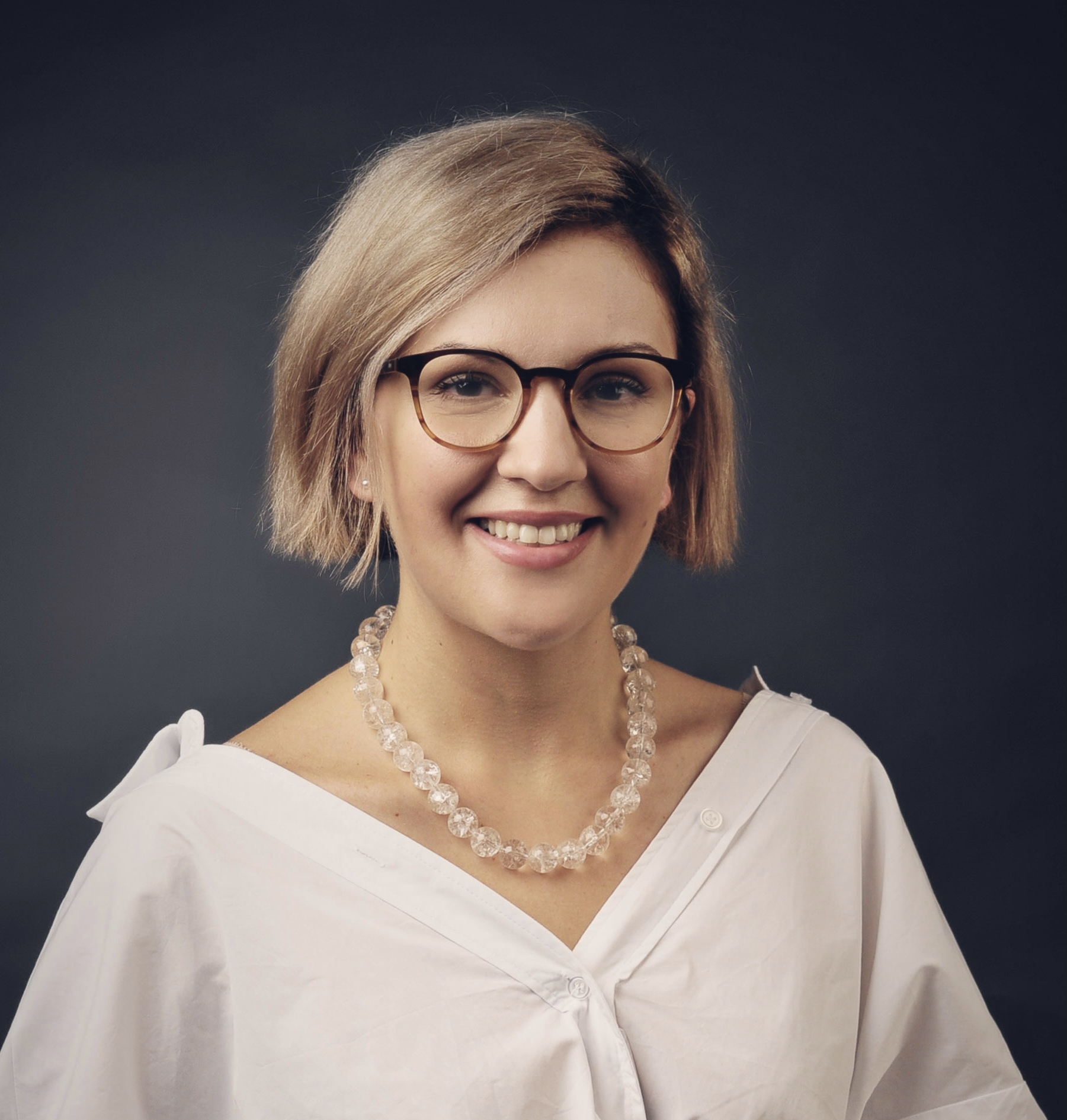
Joanna Zofia SpyraFortunoff/In geveb Fellow
Joanna Zofia Spyra, is a PhD candidate in history at the University of Bergen, Norway. Her doctoral project explores the relationship between sexuality, health, and philanthropy in 1930s Argentina. Her research is situated at the intersection of migration history, minority studies, and gender theory. Before coming to Bergen, Joanna completed prior degrees at Jagiellonian University, Cracow University of Economics, and most recently a Master’s degree in Near Eastern and Judaic Studies from Brandeis University. Her project will result in a critical review essay of three testimonies of Holocaust survivors who found their way to Latin America.
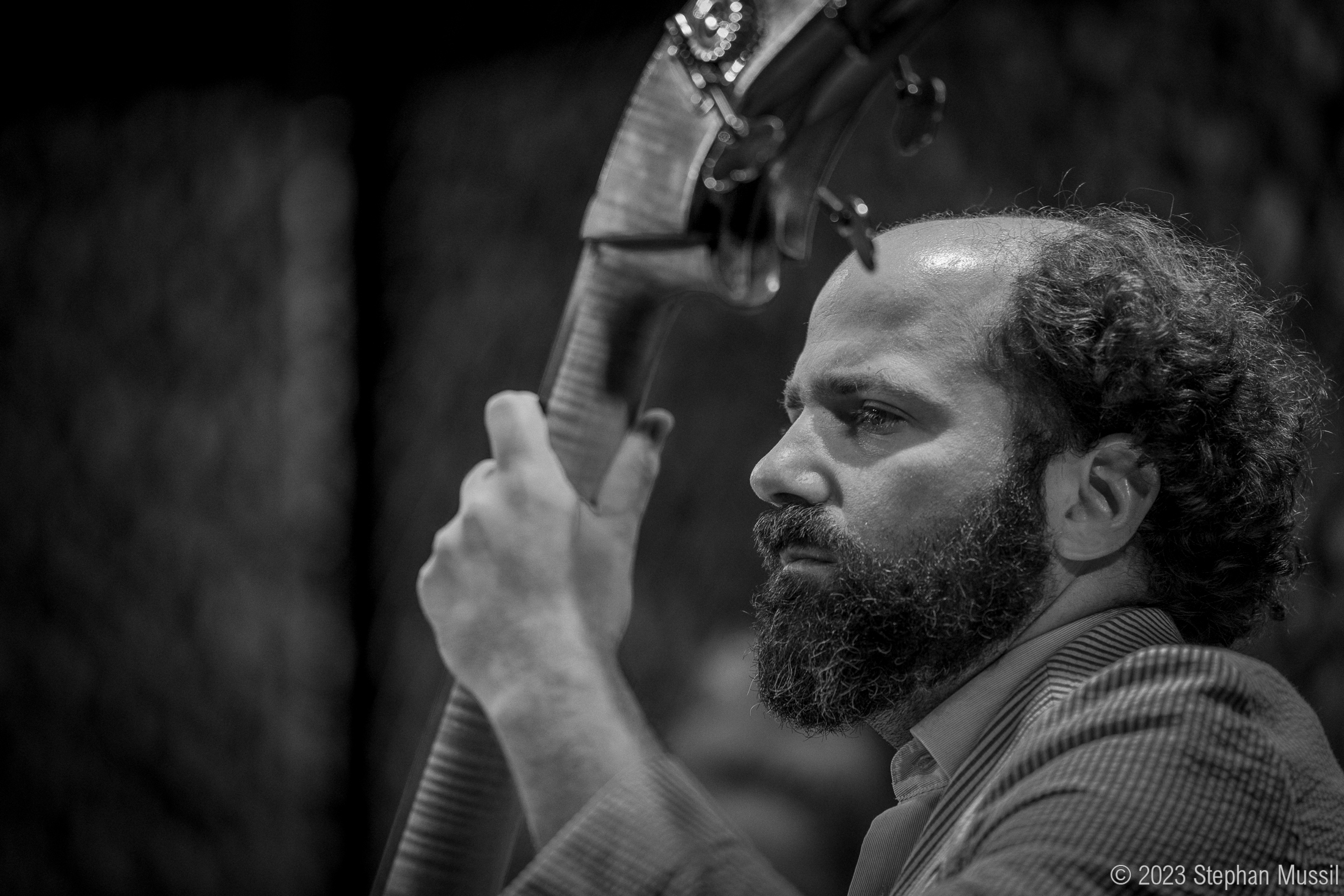
Benjy Fox-RosenFortunoff/In geveb Fellow
Benjy Fox-Rosen, originally hails from Los Angeles but currently lives in Vienna, Austria, where he works as a musician and lecturer. He recently completed his master’s thesis at Institute for Musicology of the University of Vienna writing about the musical practice of Vienna’s Stadttempel synagogue. This project uses ethnographic research methods to address questions of musical change, meaning and continuity. Fox-Rosen has also published scholarly reflections on his own artistic practice, focusing on questions of translation in the performance of Yiddish song, particularly in the German speaking world. His familiarity with the Stadttempel choir is, however, not exclusively scholarly, since Fox-Rosen is also the conductor, accompanying Cantor Shmuel Barzilai weekly. As a singer and bassist, Fox-Rosen has performed widely at festivals and venues throughout the Americas and Europe. Fox-Rosen is currently a lecturer in the Institute for Musicology, at the University of Vienna.
Fox-Rosen’s project is designed as an “artistic intervention” in the Yiddish-language materials captured in testimonies at the Fortunoff Video Archive.
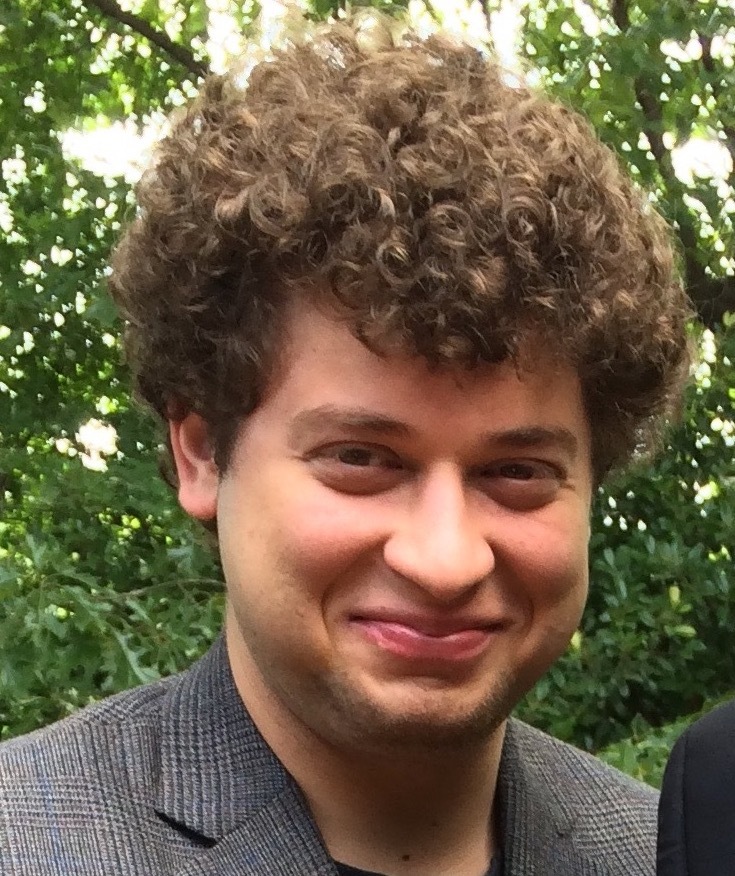
Max FriedmanFortunoff/In geveb Fellow
Max Friedman, is a composer, trumpet player, Yiddishist, translator, and educator based in Memphis, Tennessee. Friedman holds degrees from Brown University (AB ’20) and Brandeis University (MFA ’22), was a 2021 Steiner Program Fellow at the Yiddish Book Center, and in 2022 attended the YIVO-Bard Uriel Weinreich Yiddish Summer Program. His music and scholarship explore the multitudes of ways Yiddish speakers have and continue to express their identities through music. His composition “Butter-Lider,” for Yiddish poetry recordings and sextet, was commissioned and premiered (2022) by Cleveland’s No Exit New Music Ensemble. He has also presented at conferences hosted at Indiana University, Brandeis University, and the University of Toronto.
Friedman’s project, also musical in nature, aims to produce a new-classical musical composition based on Yiddish songs shared by survivors in the Fortunoff Video Archive’s testimonies.
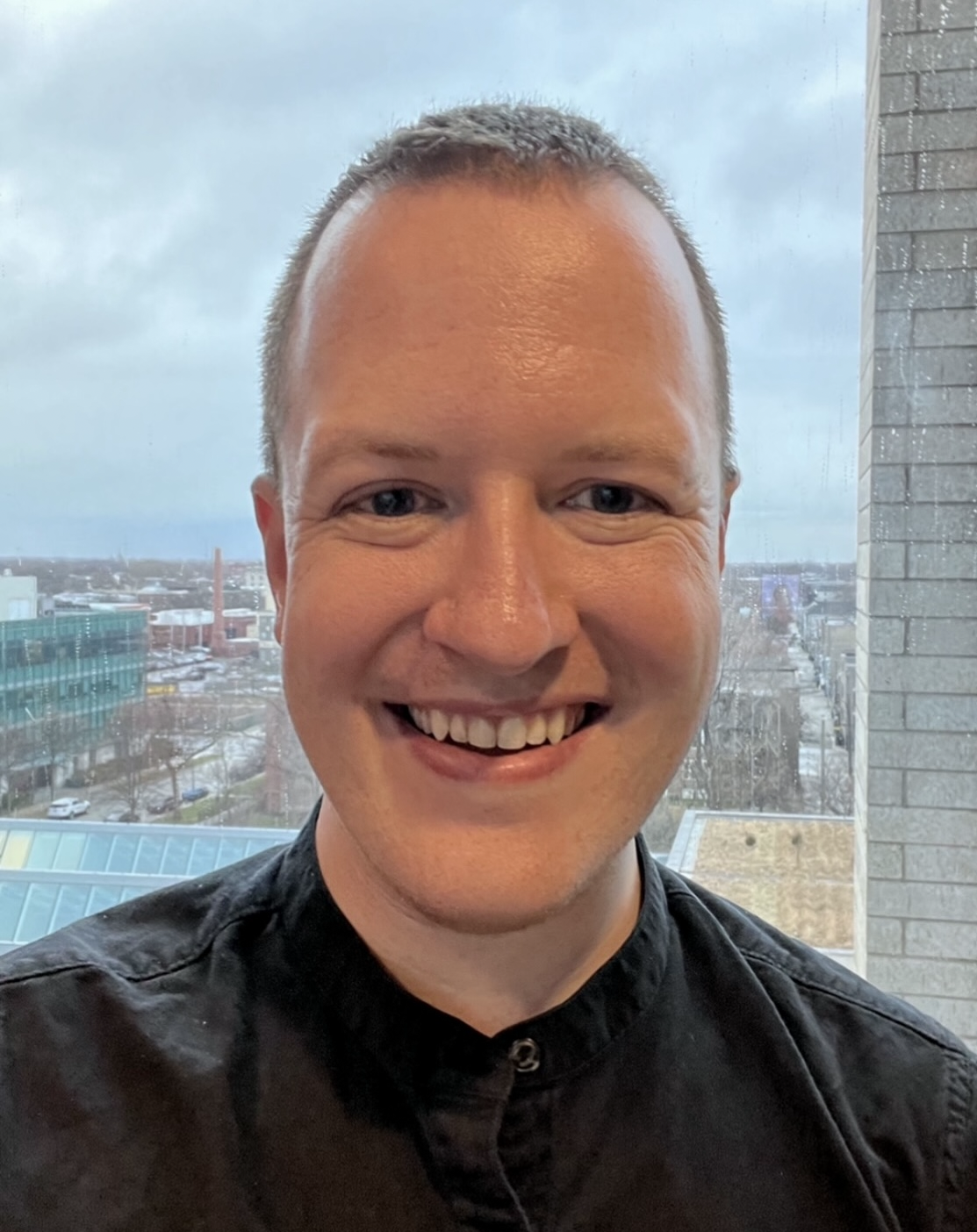
Matthew JohnsonFortunoff/In geveb Fellow
Matthew Johnson, is currently the Senior Lecturer in Germanic Languages & Literatures and Director of Yiddish & Ashkenazic Studies at the Ohio State University, but is heading to Lund, Sweden where he will soon take up a new position. Johnson’s teaching and research interests include Yiddish- and German-language cultural history, literature, and other media, translation theory and practice, and the history and representation of the Holocaust. His writing has or will soon appear in The Leo Baeck Institute Yearbook, The Germanic Review: Literature, Culture, Theory, German Studies Review, In geveb, and AJS Perspectives, among other venues, and he serves as a peer review editor at In geveb. He is currently working on a book tentatively titled Faltering Language: On German-Yiddish Literature.
Johnson intends to produce a critical edition of Julia Pirotte’s (HVT-774) Yiddish-language testimony.
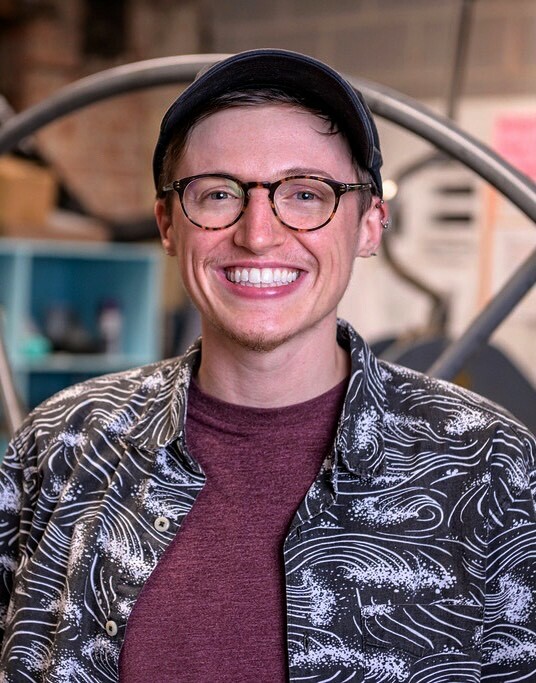
Etai Rogers-FettFortunoff/In geveb Fellow
Etai Rogers-Fett. Rogers-Fett is a printmaker, Judaica artist, and arts educator living on Piscataway land in central Maryland. In his woodcuts and etchings, Etai draws inspiration from Jewish craft traditions of papercutting, manuscript illumination, and calligraphy to create compositions that blend decorative and narrative imagery and explore the expressive potential of Hebrew and Yiddish typography. Etai plays with the genres of Jewish book arts in order to think about how we tell and transmit stories, often weaving together archival research, folktales, oral histories, and speculative imagining.
Rogers-Fett’s artist book will employ printmaking methods such as etching, aquatint, and letterpress, and draw direct quotes from Paja’s testimony as well as pair this with imagery from cultural event posters that were produced in the Vilna ghetto at the time.